
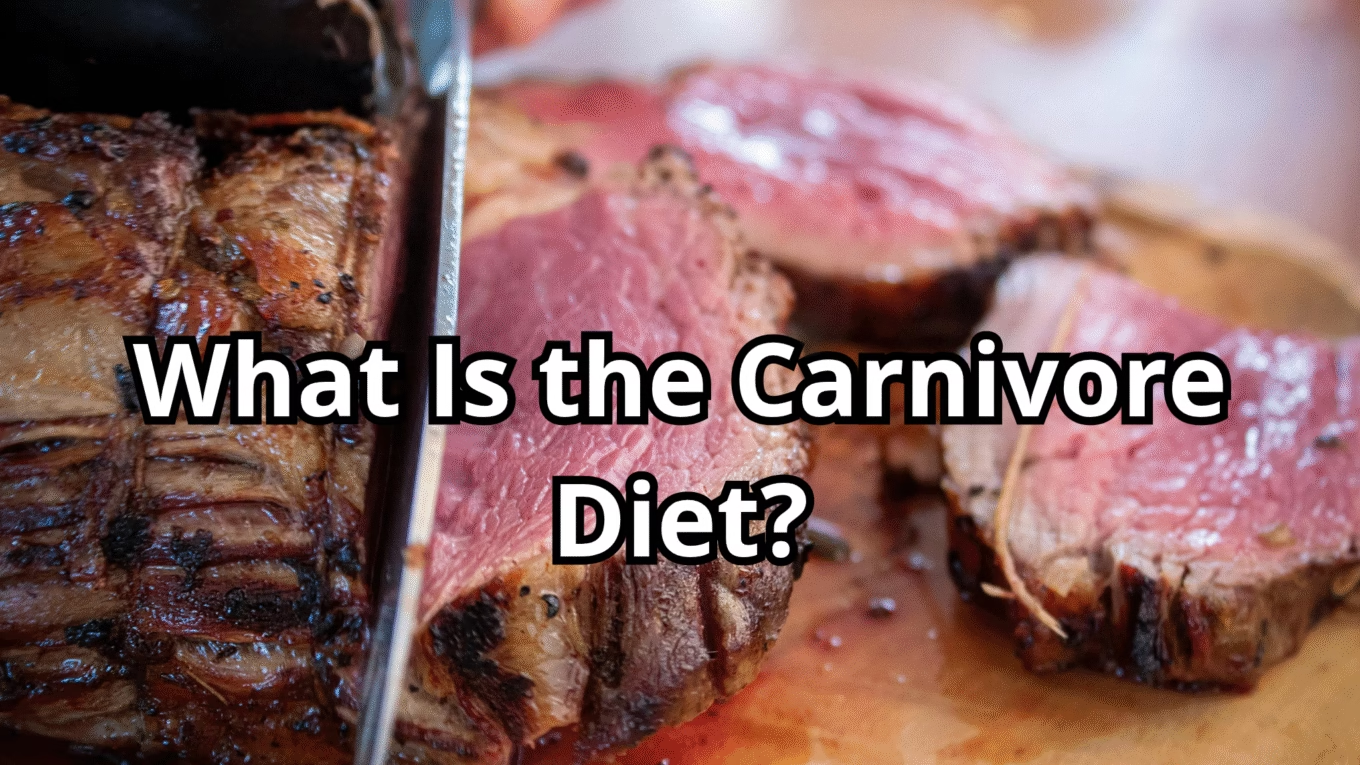
What Is the Carnivore Diet? Benefits, Risks, and a 7-Day Sample Plan
Introduction
The Carnivore Diet—a zero-carb, animal-based eating plan—has become a trending topic on social media and search engines. Many are drawn to its simplicity and potential for quick results, while others raise concerns about its long-term safety. This article presents a balanced overview of what the Carnivore Diet is, supported by scientific studies, followed by a 7-day sample plan for those curious to test it (with a necessary health disclaimer).
What Is the Carnivore Diet?
This dietary approach includes only animal-based foods: meat, fish, eggs, and animal-derived products like cheese and bone broth. It’s considered an extreme version of low-carb or ketogenic eating because it completely excludes fruits, vegetables, legumes, and grains. The goal is to eliminate carbohydrates and rely solely on protein and fat for nutrition.
Benefits of the Carnivore Diet
Some short-term advantages are commonly cited, and preliminary research supports a few of them:
Rapid weight loss — Carbohydrate restriction may prompt fat-burning and quick reductions in body weight.
Improved blood sugar control — Early data suggest potential benefits for insulin resistance or pre-diabetic individuals.
Increased satiety — High protein and fat intake tend to reduce food cravings and help with portion control.
Simplicity in meal planning — Fewer choices make it easy to follow.
A study published in Current Developments in Nutrition (2021) observed over 2,000 followers of the carnivore diet and reported improvements in weight, blood sugar, and overall well-being in the short term, while cautioning that long-term evidence is lacking.
Risks & Disadvantages
Health professionals emphasize several concerns:
Nutrient deficiencies — No plant-based foods means no dietary fiber, vitamins, or antioxidants.
Digestive issues — Lack of fiber can lead to constipation and disrupt gut microbiota.
Elevated LDL cholesterol — High intake of saturated fats raises cardiovascular risk.
Kidney and liver strain — Excess protein and fat might compromise organ function over time.
Insufficient long-term research — Hardly any prolonged clinical data exist to support long-term safety.
For instance, a review in the Journal of Clinical Lipidology (2020) linked diets high in red meat and low in fiber to increased LDL and cardiovascular risk.
Who Might Try It (and Who Should Avoid It?)
Potential short-term users: People seeking rapid weight loss or metabolic reset.
Not recommended for:
Individuals with kidney, liver, or heart conditions.
Pregnant women, children, the elderly.
Anyone with a history of disordered eating.
❗ Disclaimer: This content is for informational purposes only. Always consult a healthcare provider before trying restrictive diets.
7-Day Carnivore Diet Sample Plan
Below is a suggested 7-day plan for those who want a structured approach to try the diet safely and briefly.
Day 1
Breakfast: scrambled eggs + bacon
Lunch: ribeye steak
Dinner: roasted chicken + bone broth
Day 2
Breakfast: cheese omelet
Lunch: grilled salmon
Dinner: ground beef stir-fry
Day 3
Breakfast: boiled eggs
Lunch: butter-seared picanha
Dinner: grilled chicken breast
Day 4
Breakfast: scrambled eggs
Lunch: roasted beef ribs
Dinner: grilled sardines
Day 5
Breakfast: cheese omelet
Lunch: white fish (e.g., tilapia, sea bass)
Dinner: ground beef with eggs
Day 6
Breakfast: eggs with butter
Lunch: grilled flank steak
Dinner: salmon or tuna
Day 7
Breakfast: omelet with shredded meat
Lunch: mixed beef cuts
Dinner: chicken breast + bone broth
Allowed beverages: water, unsweetened tea, and black coffee.
Conclusion
The Carnivore Diet presents possible benefits—like weight loss and appetite control—but also carries significant nutritional and cardiovascular risks, especially in the long term. It may serve as a temporary experiment, but it’s not recommended for indefinite use. If you’re interested in more sustainable health strategies, check out our article on Intermittent Fasting: Benefits, Myths, and Guide for additional, science-backed options.