The Best Foods for Hormonal Health
Eat to Balance Your Hormones — No Crazy Diets
When it comes to feeling your best, the right foods for hormonal health can make all the difference. These nutrient-rich choices help balance insulin, cortisol, estrogen, and testosterone — keeping your energy steady, your mood stable, and your metabolism working efficiently. Forget fad diets; it’s time to eat smart and let your hormones work for you
The good news? You can restore hormonal balance through food — no extreme diets or miracle pills required.
Below, you’ll discover the best foods to naturally regulate insulin, cortisol, estrogen, and testosterone.
🍳 Balance Insulin: The Guardian of Blood Sugar
Insulin is the hormone that controls blood sugar levels. When it spikes too often — due to sweets, refined carbs, and ultra-processed foods — your body becomes fatigued, hungry, and resistant to insulin.
Best foods to balance insulin:
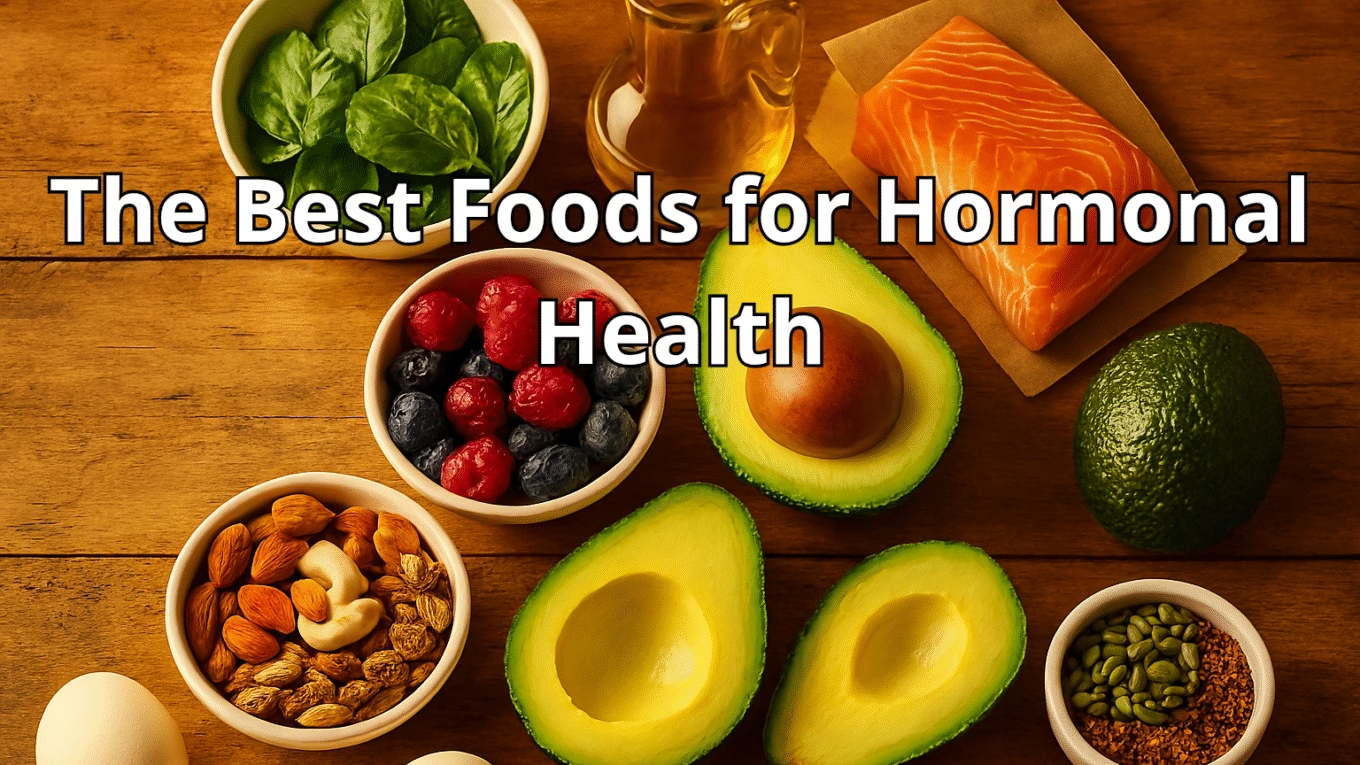
Avocado: Packed with healthy fats that prevent blood sugar spikes.
Dark leafy greens: Spinach, kale, and Swiss chard are rich in magnesium, which improves insulin sensitivity.
Cinnamon: Just half a teaspoon daily can help reduce sugar spikes.
Legumes: Beans, lentils, and chickpeas keep you full and stabilize blood sugar.
👉 Pro tip: Build your meals with protein, fiber, and healthy fats — that’s the secret to all-day stable energy.
📚 Also read: How to Boost Your Metabolism Naturally After 40 and learn how hormonal balance directly affects fat-burning and daily vitality.
☕ Lower Cortisol: The Stress Hormone
Cortisol helps your body handle stress, but when it stays high for too long, it causes inflammation, anxiety, weight gain, and insomnia.
Foods that help lower cortisol naturally:
Dark chocolate (70%+): Rich in magnesium and antioxidants that calm the nervous system.
Fermented foods: Yogurt, kefir, sauerkraut, and kombucha support gut health and reduce stress responses.
Chamomile tea: Lowers cortisol and improves sleep quality.
Berries: Loaded with vitamin C and antioxidants that counteract stress effects.
👉 Pro tip: Cut back on excess caffeine and alcohol, which can spike cortisol even more.
🔎 Want to understand how nutrition can reduce stress?
Harvard Health published a study showing how nutrients like magnesium and vitamin C can reduce cortisol production and improve the body’s stress response.
👉 Read the full Harvard Health article on nutrition and hormonal balance.
🌸 3. Balance Estrogen: The Feminine Power Hormone
Estrogen influences mood, bone strength, metabolism, and fertility — but too much or too little can cause bloating, fatigue, and skin changes.
Foods that help balance estrogen naturally:
Flaxseeds: Contain lignans, compounds that help modulate estrogen levels.
Cruciferous vegetables: Broccoli, cauliflower, cabbage, and Brussels sprouts help the liver eliminate excess estrogen.
Pomegranate: Supports estrogen metabolism and provides strong antioxidants.
Mushrooms (shiitake and reishi): Improve liver function for better hormone processing.
👉 Pro tip: Avoid heating food in plastic containers and limit processed soy, which can mimic estrogen in the body.
💪 Boost Testosterone: Energy, Strength, and Focus
Testosterone is essential for both men and women.
In men, it’s linked to muscle strength, libido, vitality, and cardiovascular health.
In women, it supports motivation, energy, and mental focus. When levels drop, fatigue, low libido, muscle loss, and lack of drive often appear.
Foods that naturally increase testosterone:
Whole eggs (with yolk): Rich in vitamin D and cholesterol — the raw materials for hormone production.
Oysters and pumpkin seeds: Excellent sources of zinc, a mineral crucial for testosterone synthesis.
Olive oil: Healthy fats that boost hormone production and reduce inflammation.
Lean red meat and fatty fish (like salmon): Provide iron and omega-3s, supporting male hormonal health.
Garlic and onions: Improve circulation and lower cortisol, encouraging testosterone production.
👉 Pro tip: Combine strength training with quality sleep — both are scientifically proven to raise testosterone levels in men and women.
🔥 For men: If you’re looking to seriously upgrade your vitality, strength, and libido, try Black Ox by Enhanced Labs — a supplement specifically designed for men dealing with low testosterone levels.
🌿 Conclusion: Nourish Your Hormones, Nourish Your Life
Balancing your hormones doesn’t require extreme diets — just smart, consistent choices.
Focus on natural, whole foods, avoid ultra-processed products, and keep a healthy routine of sleep and movement.
With time, you’ll notice better energy, mood, and metabolic stability — signs your body is finally working with you again.
❓ FAQ — Frequently Asked Questions about Hormonal Health
1. Can eating well really balance hormones?
Yes! Nutrition is one of the most powerful tools for restoring hormonal balance. Nutrients like magnesium, zinc, healthy fats, and fiber help your body produce and metabolize hormones efficiently.
2. How long does it take to see results?
It depends on consistency. Most people notice improvements in energy, mood, and sleep within 3–4 weeks of balanced eating.
3. Do I have to completely cut out sugar and coffee?
Not necessarily, but reducing both helps. Too much sugar or caffeine raises cortisol and disrupts insulin balance. Focus on moderation instead of restriction.
4. Do organic foods make a difference?
Yes. They lower your exposure to pesticides and endocrine disruptors — chemicals that can mimic or block hormones.
5. Should I use natural hormonal supplements?
First, optimize your diet and lifestyle. If symptoms persist, consult a healthcare professional or nutritionist who specializes in hormonal health.