Cold Exposure Therapy: Science-Backed Benefits for Body and Mind
Introduction
Have you ever thought that something as simple as a cold shower could transform your health?
Cold exposure therapy has moved beyond being a niche practice for elite athletes and biohackers to become a global wellness trend. Whether through cold showers, ice baths, or cryotherapy, this technique triggers powerful physiological mechanisms that can boost immunity, speed up muscle recovery, increase energy, and even strengthen mental health.
But what does science really say about it? Let’s explore the benefits, risks, and how to start safely.
❄️ What Is Cold Exposure Therapy
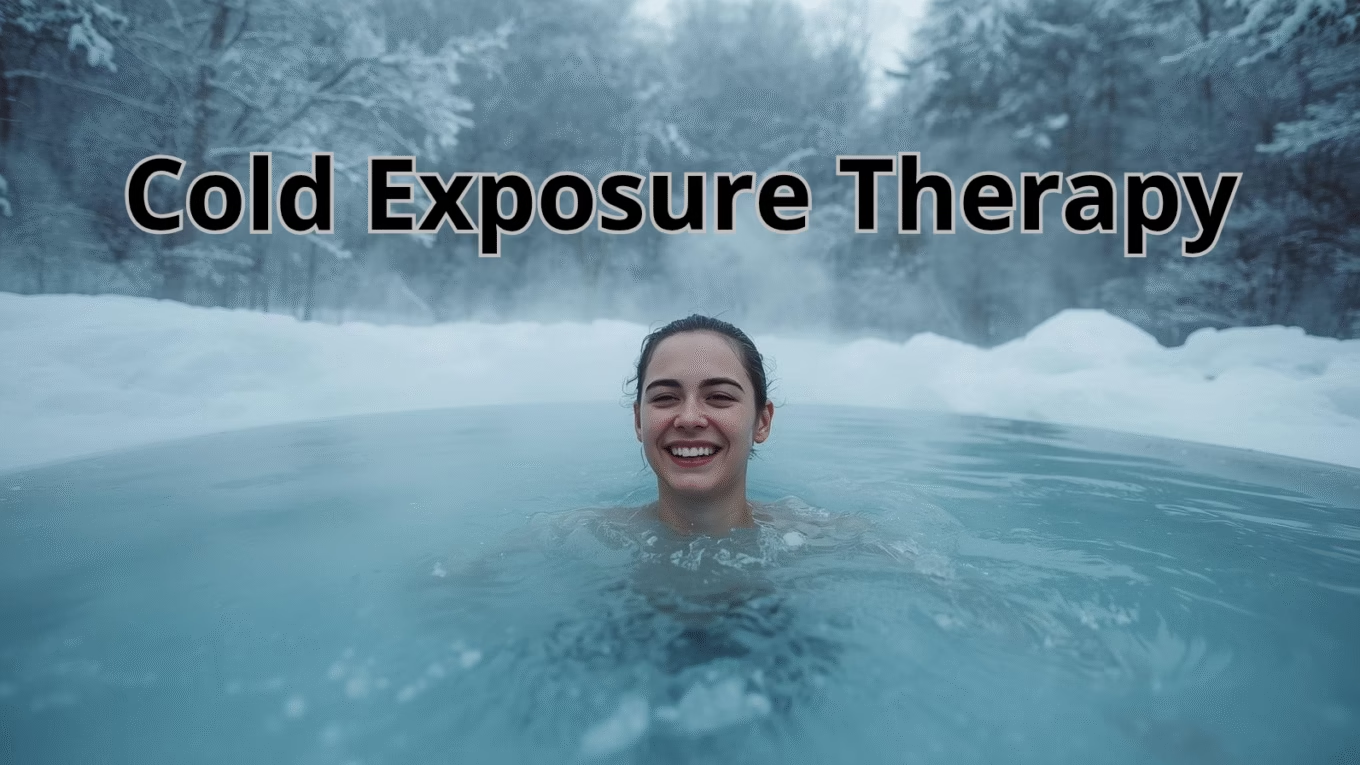
Cold exposure therapy involves deliberately exposing the body to low temperatures in a controlled way to create positive stress (hormesis). This stimulus triggers adaptive responses that strengthen the body.
Common methods include:
Cold showers: 30 seconds to 3 minutes under cold water.
Ice baths: immersion in ice water, usually for 1–5 minutes.
Cryotherapy: specialized cold chambers at temperatures as low as -110°C for 2–4 minutes.
🔬 How It Works in the Body
When exposed to cold, the body reacts to preserve its core temperature:
Vasoconstriction: blood vessels constrict to reduce heat loss.
Brown fat activation: specialized tissue that generates heat by burning calories.
Neurotransmitter release: norepinephrine and dopamine increase focus and alertness.
Immune response: stimulation of white blood cell production.
A study from Radboud University in the Netherlands followed over 3,000 people and found that taking daily cold showers reduced sick leave days by 29%. When combined with breathing exercises, the reduction reached 54% (read full study).
💪 Proven Benefits
1. Immune System Boost
Cold exposure stimulates the production of immune cells, making the body more resistant to infections. The Dutch study above showed a significant increase in lymphocyte and monocyte activity.
2. Muscle Recovery and Reduced Inflammation
Athletes use ice baths to reduce soreness and speed up post-workout recovery. Cold reduces inflammation and swelling, allowing for a faster return to training.
3. Metabolism Acceleration
Brown fat activation increases calorie expenditure and improves insulin sensitivity, aiding in weight control and metabolic health.
4. Mental Health Benefits: Depression and Anxiety
According to the WHO, depression affects about 5% of the global adult population, and anxiety affects around 4%. Cold exposure has shown promise as a complementary tool in managing these conditions.
Cold shock increases the release of dopamine, serotonin, and norepinephrine — neurotransmitters linked to well-being and motivation. It also:
Reduces inflammatory markers associated with depression.
Improves stress resilience by training the body to handle discomfort.
May enhance the effects of conventional therapies.
A paper in BJPsych Advances reviewed modern applications of cold water immersion in treating depression and anxiety, highlighting clinical benefits and possible physiological mechanisms (read full paper).
Note: Cold exposure is not a replacement for medical treatment but can be incorporated as a safe complementary practice with professional guidance.
5. Better Sleep Quality
By lowering core body temperature before bedtime, cold exposure can help trigger deep sleep, improving both physical and mental recovery.
💡 Want to boost your mental health even further?
Discover how to create a morning routine that prepares your mind and body for a more productive, balanced, and happier day. Read now: How a Morning Routine Can Transform Your Mental Health
⚠️ Risks and Precautions
While beneficial, the practice requires caution:
Hypothermia: avoid prolonged exposure.
Cold shock: enter very cold water gradually.
Medical conditions: people with heart or respiratory issues, or those who are pregnant, should consult a doctor first.
🛠 How to Start Safely
Start slow: finish your shower with 30 seconds of cold water and gradually increase.
Control your breathing: techniques like the Wim Hof Method help manage discomfort.
Use thermometers: to monitor water temperature.
Alternate with heat: switching between sauna and cold exposure can enhance effects.
📌 FAQ – Cold Exposure Therapy
1. What is cold exposure therapy?
It’s the practice of exposing the body to low temperatures to trigger beneficial physiological responses.
2. How long should I stay in an ice bath?
Beginners: 1–3 minutes. With experience, you can increase the time, always safely.
3. Does cold exposure boost the immune system?
Yes, studies show increased immune cell production and fewer sick days.
4. Can it help with mental health?
Yes. Cold exposure stimulates neurotransmitters linked to well-being and stress reduction, potentially aiding in managing depression and anxiety.
5. Who should avoid it?
People with cardiovascular or respiratory conditions, or those who are pregnant, should avoid it without medical advice.
Conclusion
Cold exposure therapy is far more than a passing wellness fad — it’s an ancient practice now backed by modern science. By challenging your body with controlled doses of cold, you trigger adaptations that strengthen immunity, speed up metabolism, improve mood, and build both physical and mental resilience.
The key is safe progression and consistency. Start slowly, respect your limits, and over time, you might just feel — quite literally — the invigorating benefits of this powerful wellness tool.