Circadian Rhythm: How Honoring Your Body Clock Improves Your Health
🌅 The natural rhythm that guides your body
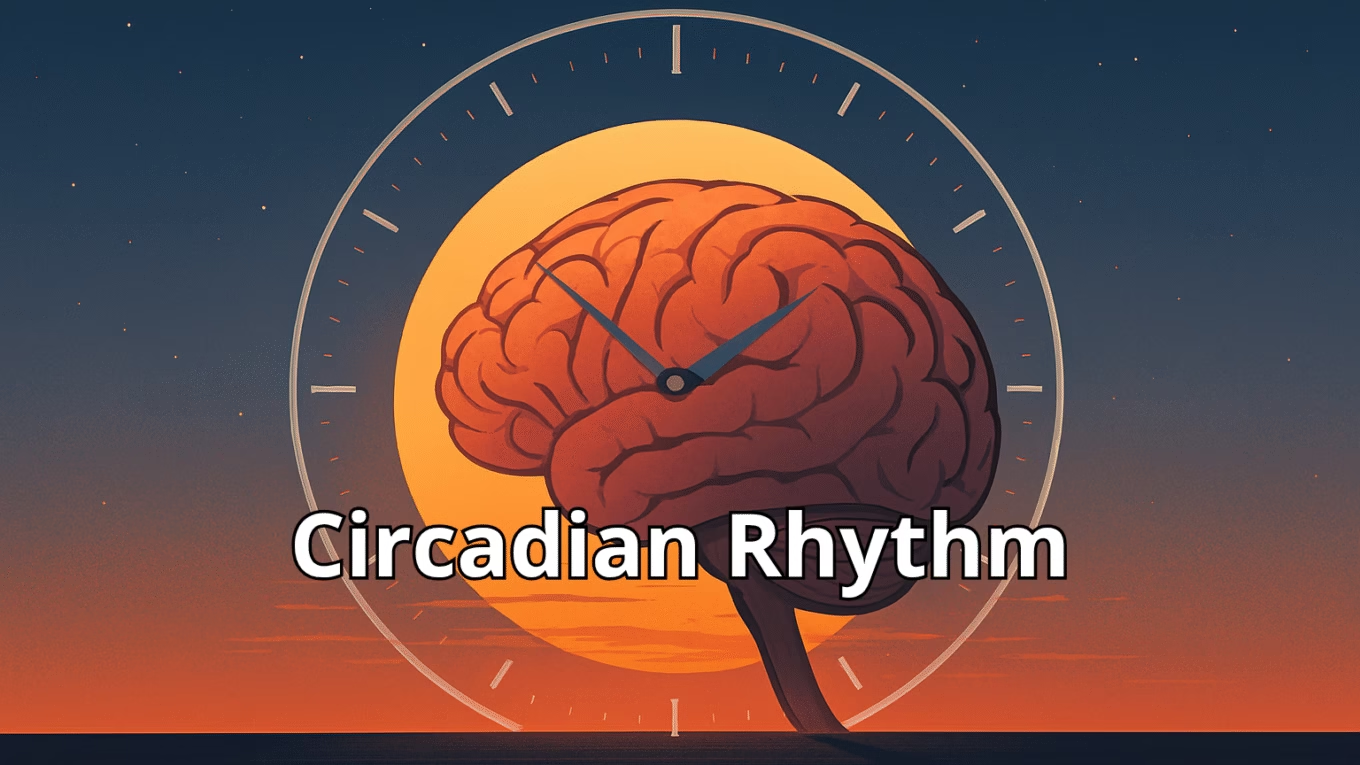
Ever feel like your body works better at certain times of day? That’s no coincidence — it’s your circadian rhythm in action. This internal biological clock regulates functions like sleep, body temperature, hormone production, and digestion over a 24-hour cycle.
More than a scientific concept, your circadian rhythm is a silent compass that guides your well-being. When respected, it promotes balance and vitality. When ignored, it can lead to fatigue, insomnia, weight gain, and even chronic illness.
🔬 What science reveals about your internal clock
Recent research shows that disrupting your circadian rhythm can have serious consequences. Misalignment is linked to increased risk of:
- Sleep disorders
- Depression and anxiety
- Type 2 diabetes
- Obesity
- Cardiovascular disease
- Breast and colorectal cancer
A study published in Nature Reviews Endocrinology emphasizes that syncing your daily habits with your circadian rhythm is essential for metabolic and immune health.
🕰️ How your body behaves throughout the day
Your body follows a natural schedule — and understanding it can help you make healthier choices. Here’s how your circadian rhythm unfolds across the day:
- Morning (6–8 AM): Cortisol levels rise, boosting alertness. It’s the best time to get sunlight and start your day with light movement.
- Mid-morning (9–11 AM): Cognitive performance peaks. Ideal for tasks requiring focus and creativity.
- Early afternoon (12–2 PM): Digestion kicks in and energy dips slightly. A short break or walk can help maintain momentum.
- Late afternoon (3–5 PM): Muscle strength and coordination peak. Great time for more intense physical activity.
- Evening (6–8 PM): The body begins to wind down. Avoid heavy meals and reduce screen exposure.
- Bedtime (9–11 PM): Melatonin production begins, signaling it’s time to rest. A dark, quiet environment supports deep sleep.
- Overnight (12–5 AM): Cellular repair and memory consolidation occur. This is the body’s prime time for regeneration.
🌿 Habits that honor your biological clock
The good news? You can adjust your routine to support your natural rhythm. Here are simple practices that make a big difference:
- 🌞 Get morning sunlight exposure
- 🍽️ Eat meals at consistent times
- 🏃♀️ Exercise before evening
- 📵 Limit screen time at night
- 🛏️ Keep a regular sleep schedule
- ☕ Avoid caffeine after 3 PM
These habits help your body sync with its environment — boosting daytime energy and promoting restful sleep at night.
🚶♀️ Light and movement: allies of your well-being
Did you know that walking outdoors in the morning is one of the most effective ways to regulate your circadian rhythm? Natural light activates your brain, improves mood, and helps your body produce melatonin later in the evening.
👉 Curious how 30 minutes of walking a day can transform your health? Read: 30-minute walk vs. 10,000 steps
⚠️ What can disrupt your circadian rhythm
Some everyday habits can throw off your internal clock. Watch out for:
- Working night shifts or irregular hours
- Sleeping too little or at inconsistent times
- Eating late at night or skipping meals
- Excessive artificial light exposure
- Using stimulants (caffeine, alcohol, nicotine) at the wrong time
These factors confuse your biological rhythm and may lead to hormonal and metabolic imbalances.
Final thoughts:Honoring your rhythm is honoring your health
Your circadian rhythm is more than a scientific curiosity — it’s a quiet guide that can transform your quality of life. By adjusting your routine to align with this rhythm, you strengthen your physical, mental, and emotional health.
Your body has a clock. When you listen to its timing, everything works better.