The Anti-Inflammatory Diet: Your Ally for Long-Term Health
Chronic inflammation is a silent enemy affecting millions worldwide. While acute inflammation is the body’s natural defense mechanism, chronic inflammation is linked to diseases like diabetes, heart problems, obesity, and even depression. The good news? An anti-inflammatory diet can become a powerful shield for your health.
What Is an Anti-Inflammatory Diet?
This eating pattern focuses on foods that naturally reduce inflammation in the body. Unlike restrictive or fad diets, it’s sustainable, nourishing, and supported by science. The goal is to minimize pro-inflammatory foods while increasing those rich in antioxidants, healthy fats, and fiber.
Core Principles of the Diet
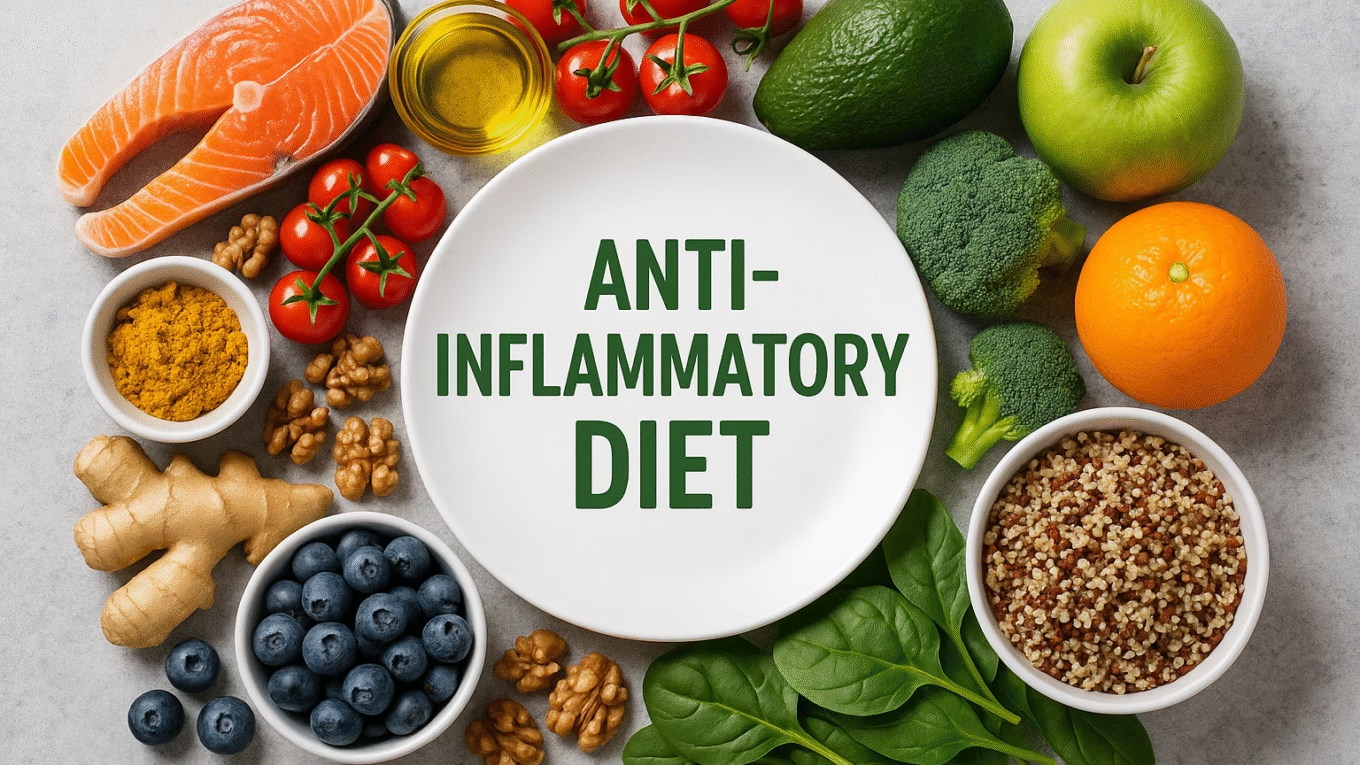
1. Eat the rainbow: Fill your plate with colorful fruits and vegetables—especially dark leafy greens, berries, and cruciferous veggies like broccoli and cauliflower.
2. Choose healthy fats: Prioritize sources of omega-3 fatty acids such as wild salmon, sardines, flaxseeds, and walnuts.
3. Go whole: Replace refined grains with whole grains like oats, brown rice, and quinoa.
4. Flavor with intention: Use anti-inflammatory spices such as turmeric, ginger, cinnamon, and garlic daily.
5. Support your gut: Include fermented foods like yogurt, kefir, kimchi, and sauerkraut to nourish your microbiome.
What to Avoid
Processed and ultra-processed foods, sugary drinks, red meats, refined flours, fried foods, and excess alcohol are the main enemies. These contribute to oxidative stress and keep your body in a constant state of low-grade inflammation.
Inflammation and Mental Health: The
Gut-Brain Axis
Emerging research highlights a deep connection between the gut and the brain. A diet rich in anti-inflammatory foods not only protects your body but also improves mood, reduces anxiety, and supports emotional balance. A healthy gut reduces inflammatory signals that travel to the brain, promoting mental clarity and emotional resilience.
Scientific Insight
A 2021 review published in Nutrients analyzed the effect of anti-inflammatory diets on disease risk and found significant reductions in C-reactive protein (CRP) levels—a key marker of inflammation. The review concluded that diets rich in polyphenols, fiber, and unsaturated fats were protective against cardiovascular and metabolic diseases.
7-Day Anti-Inflammatory Meal Plan
To help you get started, here’s a simple, realistic weekly plan. On Monday, begin your day with oatmeal topped with blueberries and walnuts. For lunch, enjoy a quinoa salad with chickpeas and olive oil. At dinner, opt for grilled salmon with steamed spinach and roasted sweet potato.
Tuesday might include a green smoothie with kale, banana, and flaxseeds in the morning. For lunch, have lentil soup with a slice of whole grain toast. At night, stir-fried tofu with broccoli and brown rice brings both comfort and nourishment.
On Wednesday, chia pudding with raspberries makes a great start. A sardine wrap with avocado and greens is ideal for lunch, followed by a lean grilled chicken breast with roasted vegetables for dinner.
Thursday can start with Greek yogurt, almonds, and a touch of honey. At lunch, try a quinoa bowl with kale and roasted chickpeas. Baked cod with steamed broccoli and quinoa is a perfect end to the day.
Friday’s breakfast might be scrambled eggs with spinach and tomato. Lunch could be whole grain pasta tossed in olive oil with veggies. For dinner, grilled turkey paired with a fresh avocado salad is delicious and satisfying.
Saturday, go for a detox smoothie with spinach, apple, and pumpkin seeds. Lunch can be brown rice with sautéed vegetables and tempeh. For dinner, try shrimp stir-fry with wild rice and sesame oil.
Finally, on Sunday, start with oats, cinnamon, and apple slices. Enjoy sweet potato with black beans and guacamole at lunch, and finish the week with grilled chicken, roasted carrots, and a bed of leafy greens.
Final Thoughts
Adopting an anti-inflammatory diet isn’t about restriction—it’s about creating balance. When you nourish your body with real, whole foods, you fight disease, boost mood, and feel more energized. Small choices each day lead to big transformations over time.