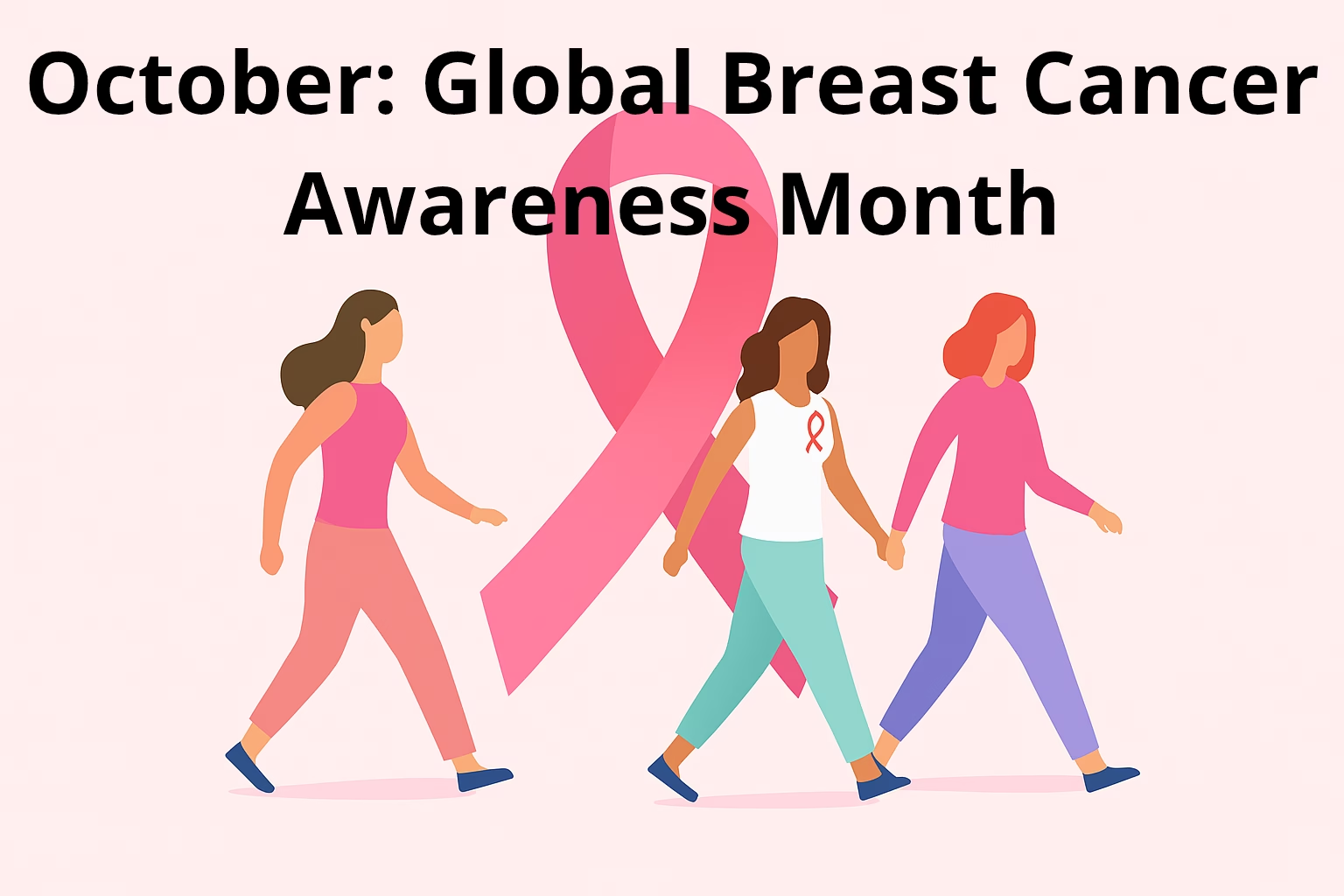
October: Global Breast Cancer Awareness Month
🌍 A global movement that saves lives
October marks one of the most recognized health campaigns worldwide: Breast Cancer Awareness Month. Originally launched in the United States in the 1980s, the movement quickly spread across Europe, Latin America, Asia, and Africa.
Today, landmarks are lit in pink across hundreds of cities, and prevention efforts are promoted by public institutions, private organizations, and civil society. The goal is clear: inform, prevent, and support.
📊 Why awareness matters
Breast cancer is the most common cancer among women globally. According to the World Health Organization (WHO):
- Over 2.3 million cases are diagnosed every year
- Early detection can increase survival rates by up to 95%
- Most cases occur in low- and middle-income countries, where access to screening is still limited
And while breast cancer primarily affects women, men can also develop the disease — though less frequently. That’s why awareness must be inclusive and ongoing.
🛡️ Prevention: habits that make a difference
While not all cases are preventable, studies show that lifestyle changes can significantly reduce risk:
- 🍎 A diet rich in vegetables, fiber, and antioxidants
- 🏃♀️ Regular physical activity
- 🚭 Avoiding smoking and limiting alcohol consumption
- 🧘♀️ Managing stress and prioritizing mental health
- 🩺 Keeping up with routine screenings like mammograms and clinical breast exams
🧪 Scientific evidence: walking as protection
A study published in the Journal of Clinical Oncology evaluated the effects of daily walking during adjuvant chemotherapy for patients with breast and colorectal cancer. Results showed that light physical activity — such as regular walking — improves quality of life and may help prevent recurrence.
🔗 Read the full study on PubMed
🏃♀️ Walking is simple. Prevention is powerful.
You don’t need to hit 10,000 steps a day to protect your health. Just 30 minutes of walking daily can reduce your risk of breast cancer and improve your overall well-being.
👉 Curious why this habit is more powerful than it seems? Read our full article: 30-minute walk vs. 10,000 steps
🩺 When to get screened
Guidelines vary by country, but generally
- Women aged 40 and up should get regular mammograms
- Those with family history or risk factors may need earlier and more frequent screenings
- Self-exams don’t replace medical exams, but they help with body awareness
Important: around 90% of cases are not linked to family history. So even if you don’t have a family history, screening is essential.
🚨 Warning signs to watch for
Pay attention to changes such as
- A lump or thickening in the breast or underarm
- Changes in breast size, shape, or appearance
- Nipple discharge or inversion
- Redness, pain, or unusual skin texture
If you notice anything unusual, consult a healthcare provider. Early diagnosis is your strongest ally.
💞 How to support the cause
This campaign is also about empathy and community. You can help in many ways:
- 🎀 Wear pink as a symbol of support
- 💝 Donate to organizations that fund research and patient care
- 📣 Share educational content on social media
- 🏃♀️ Join awareness walks and fundraising events
- 🗣️ Talk to friends, coworkers, and family about the importance of screening
💬 Final thoughts
prevention is an act of love
October is a powerful reminder that information saves lives. Breast cancer awareness is a global effort that unites countries, cultures, and individuals around a common goal: caring for women’s health with science, compassion, and solidarity.
Prevention is love. Sharing is empathy. Caring is a life-saving choice.