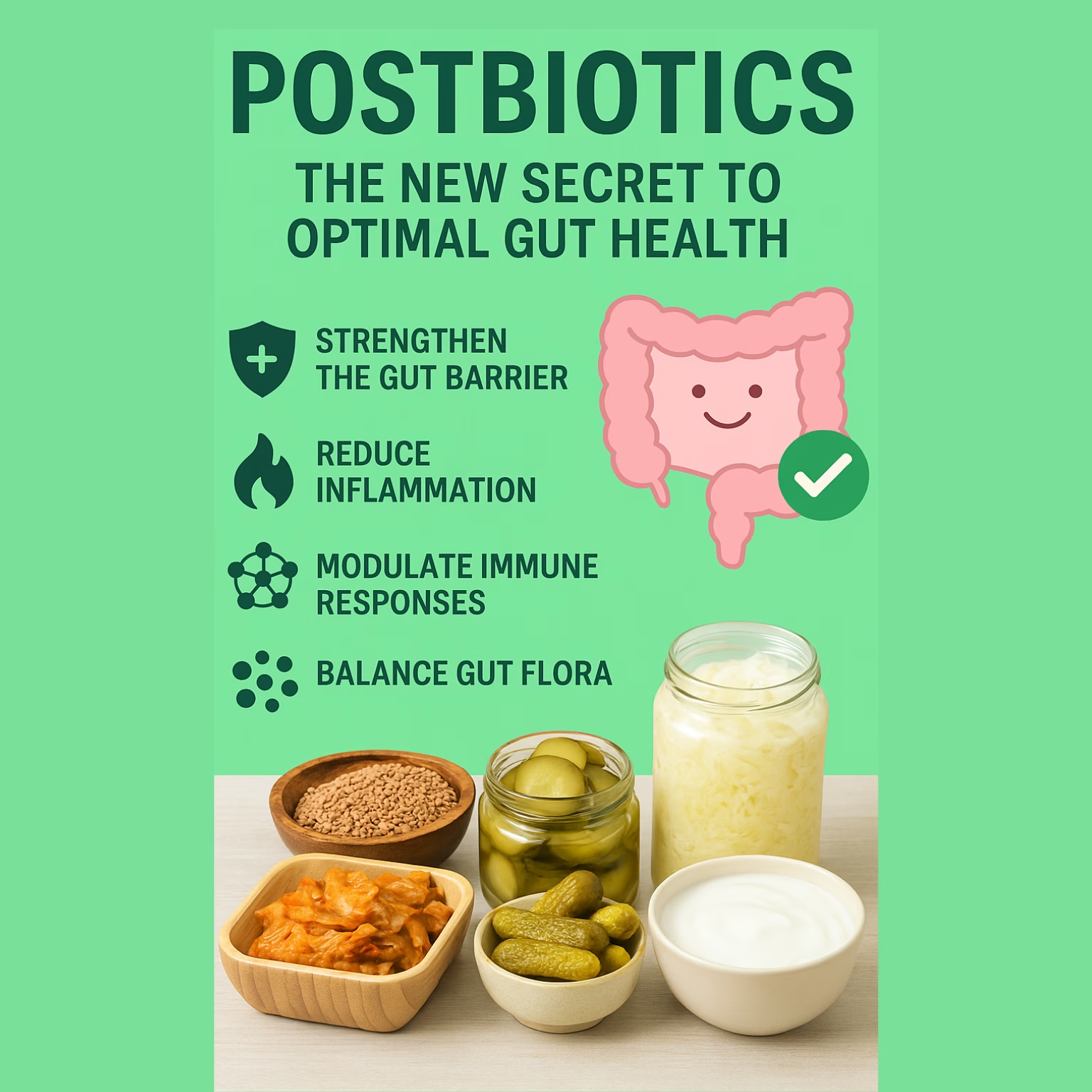
🧬 Postbiotics: the new secret to optimal gut health
🧠 Introduction
You’ve probably heard of probiotics and prebiotics. But now, science is spotlighting a new key player in gut health: postbiotics.
These powerful compounds are gaining attention in cutting-edge research and may be the missing link in solving issues like bloating, constipation, low immunity, and even anxiety.
But what exactly are postbiotics, and how do they work in the body?
Get ready to discover how this innovative concept can transform your health from the inside out.
🔬 What Are Postbiotics?
Postbiotics are the byproducts produced when probiotics (the “good bacteria”) ferment fibers and other nutrients in your gut.
While probiotics are live microorganisms, postbiotics are non-living compounds with strong therapeutic effects.
They include:
Short-chain fatty acids (like butyrate)
Antimicrobial peptides
Digestive enzymes
B vitamins
Anti-inflammatory compounds
These molecules have direct, proven effects on your health — and unlike probiotics, they don’t need to survive digestion to be effective.
🧩 The Difference Between Probiotics, Prebiotics, and Postbiotics
Let’s break it down:
Prebiotics feed the good bacteria (found in fiber-rich foods)
Probiotics are the live beneficial bacteria themselves
Postbiotics are the health-promoting compounds created by these bacteria
👉 Unlike probiotics, postbiotics are ready to act once they enter your body — making them more stable and, in many cases, more reliable.
🛡️ Proven Benefits of Postbiotics
Recent studies show that postbiotics can:
Reduce intestinal inflammation
Strengthen immune response
Improve gut lining and barrier function
Relieve symptoms of IBS (Irritable Bowel Syndrome)
Reduce anxiety and elevate mood
Support the overall balance of gut flora
💡 Postbiotics are especially beneficial for people with:
Low immunity
Persistent digestive problems
Recent antibiotic use
Sensitivity to live probiotic strains
🧪 Scientific Study: Postbiotics Strengthen Gut Barrier and Reduce Inflammation
A 2022 review published in Frontiers in Nutrition highlights how short-chain fatty acids (SCFAs) — especially butyrate — play a critical role in maintaining gut health.
These compounds, produced by gut bacteria fermenting dietary fiber, help strengthen the intestinal barrier, reduce inflammation, and modulate immune responses.
👉 Read the full study here (Frontiers in Nutrition, 2022)
Butyrate is one of the most well-researched postbiotics. It acts as fuel for colon cells and protects against inflammatory gut diseases by supporting the structural and immune balance of the digestive tract.
🥦 How to Naturally Boost Postbiotic Production
To naturally enhance postbiotic production in your body, aim to:
1. Eat more soluble fiber, such as oats, green bananas, artichokes, and flaxseeds
2. Consume fermented foods, like kefir, sauerkraut, miso, and kimchi
3. Avoid processed foods and excess sugar, which harm gut flora
4. Take a high-quality supplement that includes probiotics, prebiotics, and postbiotic-supporting compounds
🔗 Want to understand how your gut flora really works — and why it affects everything from digestion to mental clarity?
👉 Check out our complete guide to gut flora and how to naturally restore balance.
💊 Recommended Supplement with Postbiotic Power
If you’re looking for a practical and advanced solution to restore your gut microbiome, PrimeBiome is a top choice.
It combines clinically studied probiotic strains, natural prebiotics, and compounds that support postbiotic production — all in one powerful formula designed to rebalance your gut and strengthen your immunity.
👉 Click here to learn more about PrimeBiome and discover how it can transform your gut health.
✨ Conclusion
Postbiotics are the future of gut health — and they’re already available today.
They offer a stable, effective, and safe way to support digestive and immune health from within.
If you’ve tried probiotics without seeing results, it might be time to give postbiotics a try.